
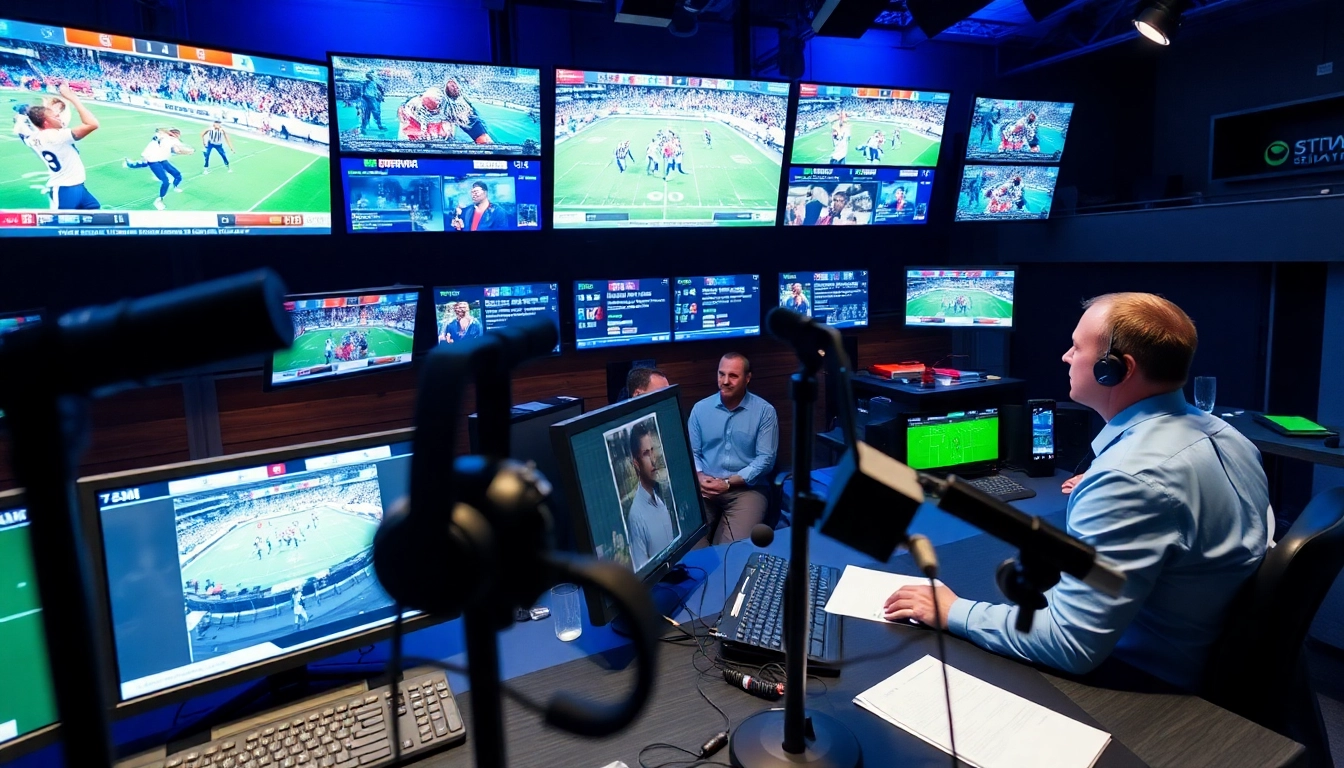
Understanding Sports Broadcasting and Its Impact
Defining Sports Broadcasting
Sports broadcasting encompasses the distribution of sports-related content through various media platforms, including television, radio, and digital streaming. It serves as a critical link between fans and their favorite sports, facilitating access to live matches, expert commentary, and in-depth analysis. The landscape of sports broadcasting is continuously evolving, driven by advancements in technology and changing viewer preferences. To gain a holistic understanding of this industry and its developments, one must consider its rich history, key players involved, and the technologies that shape its future. An exploration of Sports Broadcasting reveals a tapestry of innovation and engagement strategies aimed at enhancing fan experiences.
History and Evolution of Sports Broadcasting
The inception of sports broadcasting can be traced back to the early 1920s with radio broadcasts of major sporting events. This marked the beginning of a new era, as fans could access live events from the comfort of their homes. The transition from radio to television during the late 1940s revolutionized how sports were consumed, enabling viewers to watch their favorite teams compete visually. Over the decades, the sports broadcasting landscape has undergone significant transformations, shaped by societal changes, technological advancements, and the growing importance of sports in popular culture.
With the rise of cable television in the 1980s, sports became more accessible, and networks began to invest heavily in broadcasting rights. The 21st century introduced digital streaming platforms, paving the way for on-demand content and audience interaction. As sports broadcasting continues to evolve, staying ahead of trends becomes crucial for stakeholders in the industry.
Key Players in Sports Broadcasting
Several key players drive the sports broadcasting ecosystem. Traditional networks like NBC, ESPN, and CBS have historically held significant power, negotiating lucrative broadcasting rights for major leagues such as the NFL, NBA, and MLB. Additionally, digital disruptors like Amazon Prime Video and DAZN have entered the market, leveraging their platforms to reach younger, tech-savvy audiences.
Sports leagues and teams are also essential in this landscape, as they hold the broadcasting rights to their events. Collaborations between leagues and broadcasters often lead to innovative content strategies, maximizing viewer engagement. Technology companies are not far behind, providing solutions that enhance viewing experiences through augmented reality, data analytics, and mobile applications.
Technological Innovations in Sports Broadcasting
Advancements in Streaming Technology
The advent of high-speed internet has transformed sports broadcasting by enabling high-definition streaming across multiple devices. Live sports can now be viewed in real-time on smartphones, laptops, and smart TVs, providing flexibility and convenience for viewers. Services like OTT (Over-the-Top) platforms have emerged, allowing sports networks to reach broader audiences without the need for traditional cable subscriptions.
Moreover, advancements in adaptive bitrate streaming ensure that viewers receive uninterrupted broadcasts despite fluctuations in internet speed, significantly enhancing the overall experience. As more viewers opt for streaming services, broadcasters must adopt strategies that maximize quality and accessibility.
Use of Augmented Reality and Virtual Reality
Innovative technologies like augmented reality (AR) and virtual reality (VR) are reshaping how fans experience sports broadcasting. AR enhances the viewing experience by overlaying digital content onto live action, such as player statistics and real-time graphics. This fusion of live footage and digital information enriches the viewer's connection to the game.
On the other hand, VR allows fans to immerse themselves in the action, often providing a front-row experience without leaving home. Both technologies are becoming invaluable tools for broadcasters aiming to offer unique and interactive experiences for their audiences.
Remote Broadcasting Solutions
The COVID-19 pandemic accelerated the adoption of remote broadcasting solutions. With in-person access to events curtailed, broadcasters turned to remote technologies to maintain coverage. These solutions included the use of camera systems operated from different locations and cloud-based production tools that facilitated high-quality broadcasts without the need for large onsite crews.
As these technologies become integrated into standard broadcasting practices, they promise to enhance flexibility, reduce costs, and allow for greater adaptability to unexpected challenges.
Engagement Strategies for Sports Broadcasting
Interactive Viewing Experiences
Creating engaging viewing experiences is essential for keeping audiences captivated. Interactive elements such as live polls, real-time stats, and multi-screen viewing options enable viewers to participate in the action actively. For instance, broadcasters can offer secondary screens that provide additional content or fan-driven commentary during live events, making the experience more immersive.
Gamification, where fans can predict outcomes or score rewards for participation, is another method broadcasters use to elevate viewer engagement. This approach not only holds viewers' attention but also fosters community among fans.
Leveraging Social Media Platforms
Social media platforms have become integral to sports broadcasting, offering broadcasters new channels to reach fans. By promoting content, sharing highlights, and engaging with viewers, broadcasters can create a vibrant online community. Live tweeting and instant updates during events keep fans informed and entertained, often driving viewership for broadcasts.
Social media also allows for feedback from fans, enabling broadcasters to tailor content accordingly. Collaborations with influencers and athletes can amplify reach, creating buzz and generating interest around sporting events.
Community Involvement and Fan Engagement
Engaging local communities is crucial for broadcasters looking to expand their reach. Hosting events, meet-and-greets, and viewing parties can strengthen connections with fans. Many broadcasters now incorporate community outreach initiatives that promote local sports and foster relationships with youth programs.
Utilizing loyalty programs that reward fans for their engagement, both online and offline, can deepen brand loyalty and ensure sustained interest in content. Personalization strategies tailored to unique fan segments often yield high engagement and retention rates.
Challenges Faced in Sports Broadcasting
Legal and Regulatory Compliance
With sports broadcasting being heavily regulated, compliance with local and international laws is challenging. Broadcasters must navigate broadcasting rights, intellectual property issues, and content licensing agreements to ensure legal compliance. Non-compliance can lead to significant fines and damage to reputation.
Staying updated on regulations and collaborating with legal experts is essential for navigating this complex landscape, enabling broadcasters to focus more on content creation and viewer engagement.
Handling Content Ownership and Licensing Issues
Content ownership disputes can complicate the broadcasting process. With multiple stakeholders, including leagues, networks, and technology providers, clear agreements about ownership and rights are crucial. As sports broadcasting evolves, disputes over footage and licensing are likely to increase.
Establishing transparent agreements and ongoing communication among stakeholders can help mitigate these challenges, ensuring smooth broadcasting operations.
Technological Barriers and Solutions
Despite advancements, broadcasters often face technological barriers such as outdated infrastructure and insufficient bandwidth for high-quality streaming. These can impair the viewing experience and limit content distribution.
Investing in cutting-edge technology, whether upgrading existing hardware or transitioning to cloud services, can help mitigate these issues. Flexible solutions that adapt to changing technology and viewer demands are essential for success.
Future Trends in Sports Broadcasting
Personalization of Viewer Experiences
Personalization will play a pivotal role in the future of sports broadcasting. Leveraging data analytics, broadcasters can tailor content to viewer preferences, enhancing engagement. Personalized notifications, targeted advertisements, and customized viewing options will likely become standard.
As AI technologies advance, the ability to curate unique viewing experiences based on individual preferences will open new revenue streams. Broadcasters that embrace this trend stand to enhance audience satisfaction significantly.
The Rise of Data Analytics in Broadcasting
The integration of data analytics in sports broadcasting can revolutionize how content is produced and consumed. Broadcasters can utilize real-time data to create engaging stories, provide insights, and enhance viewer experiences. Analytical tools help networks track viewer engagement, understanding trends and optimizing content delivery.
By analyzing audience feedback and performance metrics, broadcasters can refine strategies and leverage data-driven decisions for content that resonates with viewers.
Globalization of Sports Broadcasting
Globalization is leading to new opportunities in sports broadcasting. As international sports leagues attract audiences worldwide, the demand for localized content increases. Broadcasters are expanding beyond traditional markets, building global brands while catering to local preferences.
Collaboration between leagues and broadcasters to provide multi-language commentary and localized marketing strategies is essential for tapping into these emerging markets effectively.
Frequently Asked Questions (FAQs)
What is sports broadcasting?
Sports broadcasting refers to the distribution of sports-related content through various media channels, enabling fans to watch live events, analyze games, and engage with expert commentary.
How has technology changed sports broadcasting?
Technology has transformed sports broadcasting through advancements in streaming, AR/VR technologies, and remote broadcasting solutions, enhancing the viewer experience and accessibility.
What is the role of social media in sports broadcasting?
Social media plays a crucial role by providing broadcasters with platforms to engage fans, promote content, and create interactive experiences that keep viewers informed and entertained.
What challenges do broadcasters face?
Key challenges include legal compliance, content ownership and licensing issues, technological barriers, and the need to adapt to rapidly changing viewer preferences and technologies.
What is the future of sports broadcasting?
The future includes increased personalization of content, the integration of data analytics, and global expansion of broadcasting opportunities, enhancing engagement and viewership.